Powder coating makes a thick, tough finish, but only when the part, the powder, and the cure all match.
The advantages of powder coating for industrial applications are durability, a wide colour range, low solvent use, and a thick film in one coat. The powder is sprayed dry onto a grounded part and cured in an oven. This guide covers each benefit, the limits, and how to match the powder to the job.
At Al Asriah Metal Coating in Sharjah, we galvanize and finish fabricated steel. Our galvanizing page notes that the zinc coating goes on before painting or powder coating. See our galvanizing services for steel that needs protection under a colour coat.
In This Article
- What Is Industrial Powder Coating?
- What Are the Benefits of Powder Coating?
- What Are the Limits of Powder Coating?
- Which Powder Suits Which Application?
- How Should You Specify Powder Coating?
- Frequently Asked Questions
What Is Industrial Powder Coating?
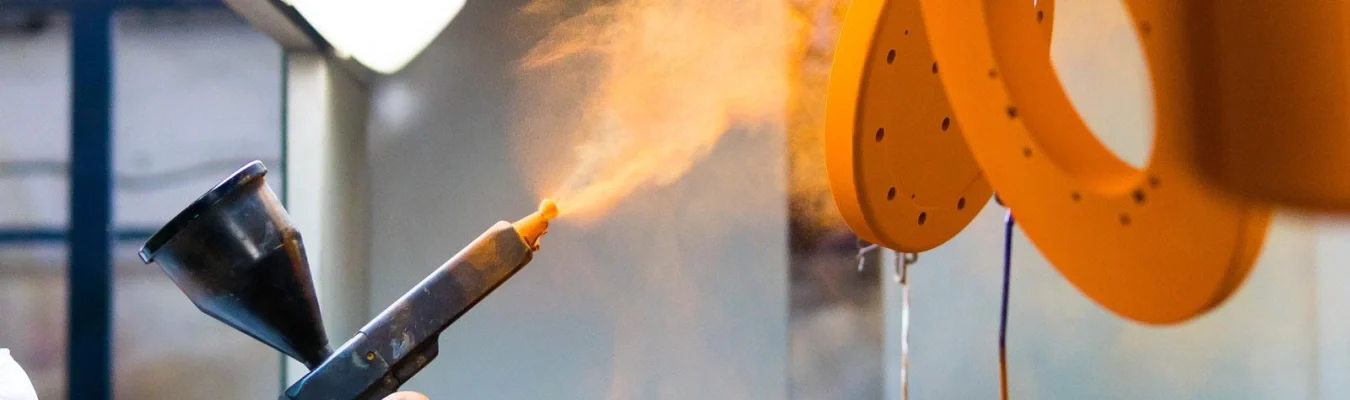
Powder coating for industrial applications is a dry finishing process that bonds a polymer film to metal.
Electrostatically charged powder is sprayed onto a grounded part. The part then goes into an oven, where thermoset powder melts and cross-links into a continuous film. Cure schedules run at about 180 to 200 degrees Celsius for 10 to 20 minutes at metal temperature.
A common industrial film is 60 to 80 microns thick, and ranges run from about 25 to 120 microns. Powders fall into three groups: thermoset, thermoplastic, and UV-curable.
The way the film forms explains both its strengths and its limits.
What Are the Benefits of Powder Coating?
Six powder coating benefits explain why industry uses it. The benefit of powder coating on any one part still depends on the specification.
- A tough, thick film. Powder coating is usually more durable than conventional paint, and one coat builds 60 to 80 microns where liquid paint needs several thinner coats.
- Low solvent use. The process is dry, so it releases very little volatile organic compound, and overspray can be reclaimed and reused.
- Barrier protection. The film shields the metal from moisture, and phosphate pretreatment improves adhesion.
- A wide range of colours and finishes. Powders come in many colours, gloss levels, and textures.
- One application and one cure. In most systems the part is coated once and cured in minutes, without long drying times.
- Less waste. Reclaimed powder and fewer coats cut waste and can reduce total cost.
Each benefit comes with limits, and those limits shape the specification.
What Are the Limits of Powder Coating?
Six limits matter when you choose powder coating.
- Oven heat. Parts must survive curing at 180 to 200 degrees Celsius, so heat-sensitive materials need another finish.
- Sunlight and epoxy. Epoxy and epoxy-polyester hybrid powders chalk and degrade outdoors, according to Products Finishing.
- A narrow thickness window. Very thin films lose coverage and corrosion protection, while very thick ones can show orange peel.
- Deep recesses. Electrostatic spray struggles to reach deep corners.
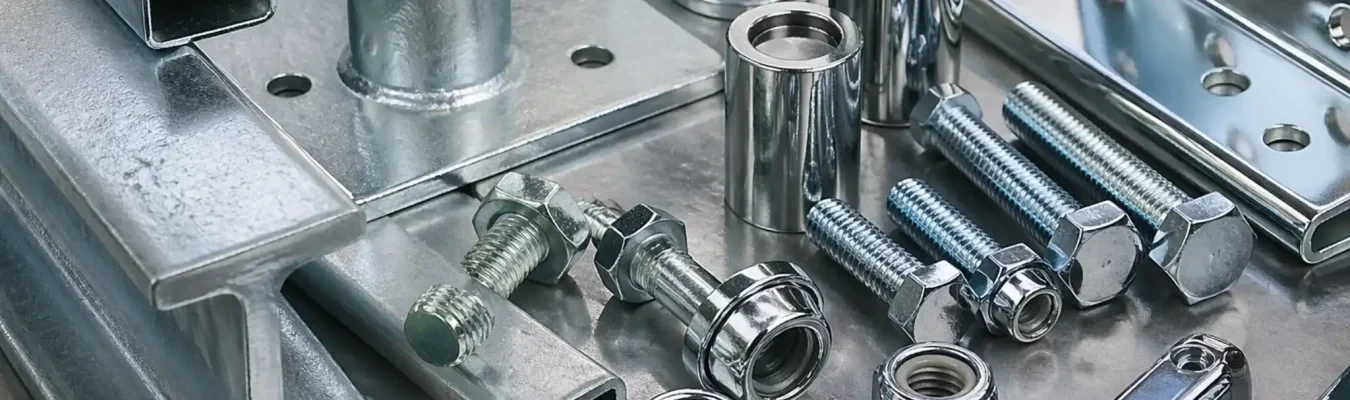
- Galvanized steel. Trapped air escapes during the cure and can leave craters, so a primer and careful preparation are recommended.
- Surface preparation. Metal should be cleaned and pretreated, because dirt and oil stop the film bonding.
The right powder and preparation reduce several of these limits.
Which Powder Suits Which Application?
Applications of powder coating range from machinery to architectural aluminium, and the chemistry changes with each.
| Application | Suitable powder | Watch for |
|---|---|---|
| Indoor machinery and equipment | Polyester or epoxy-polyester hybrid | Hybrids are for indoor use only |
| Outdoor steel and furniture | Polyester or super durable polyester | Epoxy chalks in sunlight |
| Architectural aluminium | Super durable polyester, such as QUALICOAT Class 2 | Ask for the approval certificate |
| Galvanized steel | Primer plus a super durable polyester topcoat | Outgassing during cure |
| Stainless steel parts | Polyester, after pretreatment | Already corrosion resistant, so coat for colour |
The UAE has intense sun, so UV stability matters for outdoor parts. Ask the supplier for weathering test data.
With the powder chosen, the specification fixes the rest.
How Should You Specify Powder Coating?
Six details let a finisher specify the right system.
- The base metal – Steel, galvanized steel, stainless steel, or aluminium.
- The environment – Indoor, outdoor, or coastal, which decides the powder chemistry.
- The film thickness in microns – Ask for a number, and ask how it is measured.
- The colour, gloss, and texture – Give reference codes where you can.
- The part size and heat tolerance – Both decide whether an oven cure is possible.
- The pretreatment – Ask which cleaning and phosphate steps are included.
Send us your fabricated parts, the environment, and the colour you need, and we will advise on the finishing system before we quote. Request a finishing quote.
The questions below cover what buyers ask before they choose.
Frequently Asked Questions
Is powder coating better than paint?
It usually forms a thicker, tougher film in one coat and uses no liquid solvents. It needs oven curing, though, so heat-sensitive parts suit liquid paint better.
Can you powder coat stainless steel?
Yes. The benefits of powder coating stainless steel are mostly colour and a protective film, because the metal is already corrosion resistant. Clean and pretreat it so the powder adheres.
Can you powder coat galvanized steel?
Yes, with care. Trapped air can escape during the cure and cause craters, so a primer and proper preparation are recommended.
How long does powder coating last outdoors?
It depends on the resin. Epoxy chalks in sunlight, while super durable polyester is made for outdoor use, so ask for weathering test data.
Is powder coating environmentally friendly?
It uses no liquid solvents, releases very little volatile organic compound, and allows overspray to be reclaimed. The powders still need proper handling and ventilation.