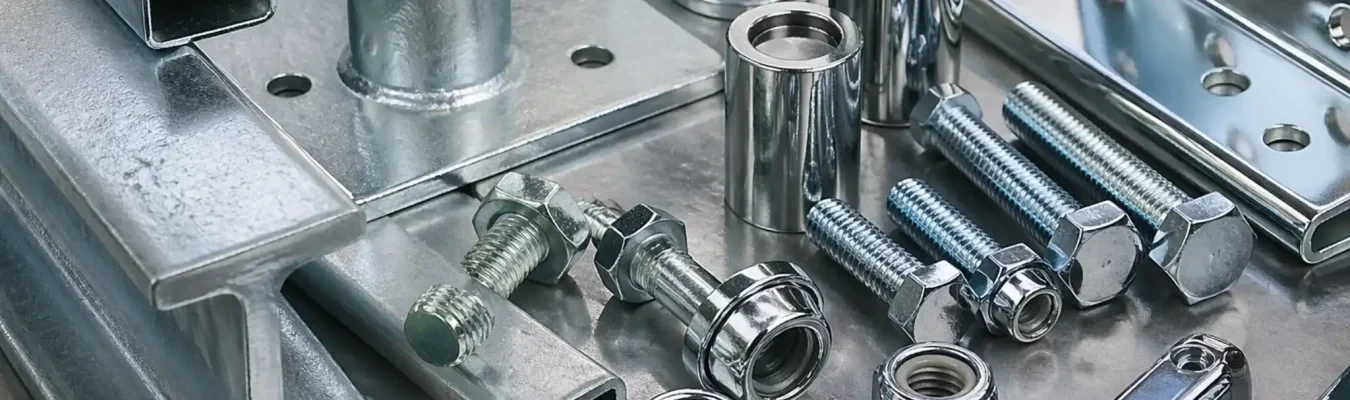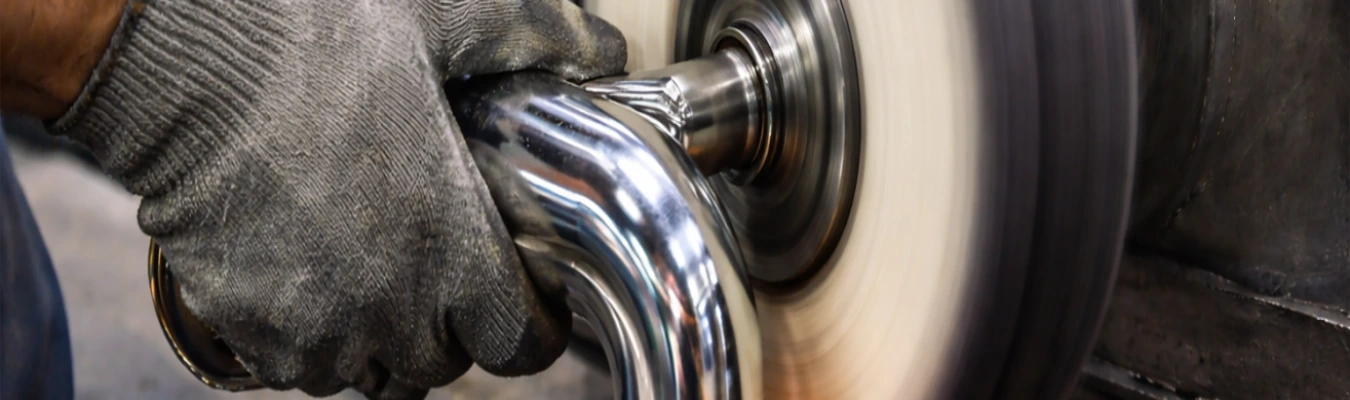
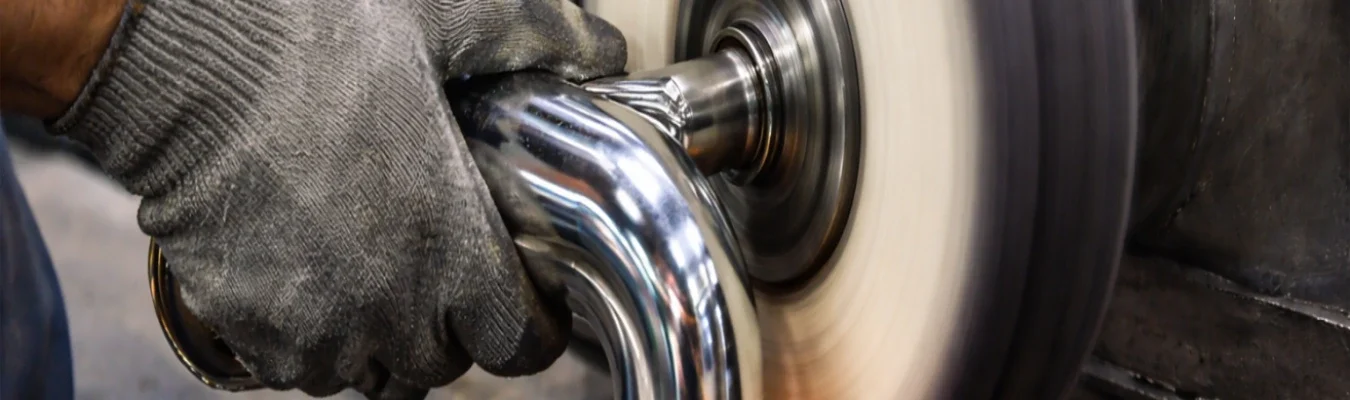
Whenever you go to any metal workshop or finishing facility, the terms “buffing” and “polishing” come up constantly. Most people in and around the industry use them as if they mean the same thing, and it is easy to see why. Both involve machines, rotating wheels, and compounds, and the end result is usually a cleaner, shinier metal surface. But these are two distinct processes, and treating them as identical often leads to poor finishes, wasted effort, and unnecessary costs.
For anyone working in manufacturing, construction, hospitality interiors, or any field where metal surface quality plays a real role, understanding the difference between buffing and polishing is genuinely valuable. It changes how projects are planned, how results are evaluated, and how finishing partners are chosen. This blog will cover both processes clearly so the difference between them becomes easy to understand.
Introduction to Metal Finishing
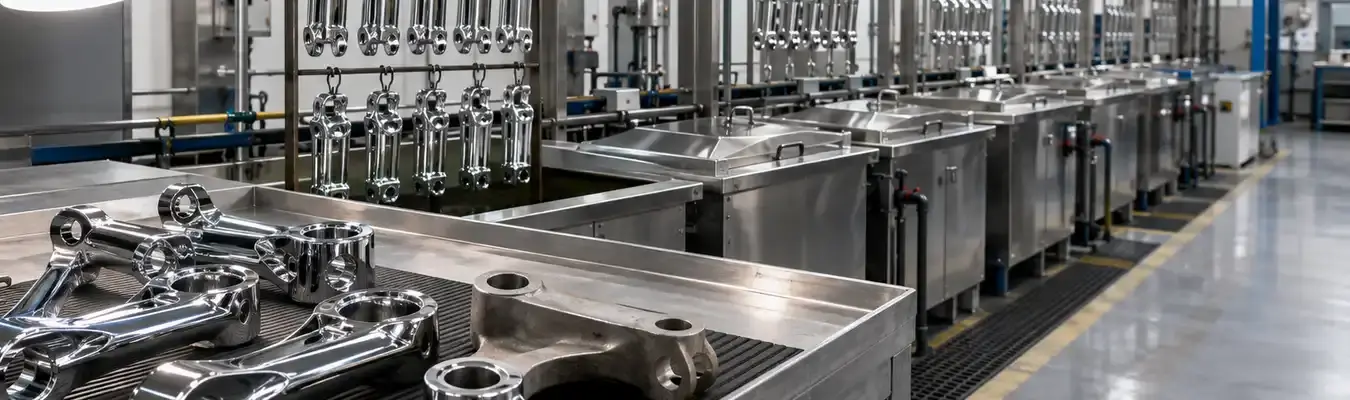
Metal finishing includes protective coatings, surface treatments, corrosion resistance applications, and purely visual improvements. Within that wide category, polishing and buffing are two of the most frequently used techniques. They are often part of the same workflow, applied one after the other, which is probably one of the main reasons people assume they are the same thing.
Both processes use rotating wheels and various compounds, which makes them look similar from a distance. But the purpose behind each one, the tools involved, and the stage at which each is applied are quite different. Separating them clearly makes it much easier to understand what a proper metal finishing workflow actually involves.
What Is the Polishing Process?
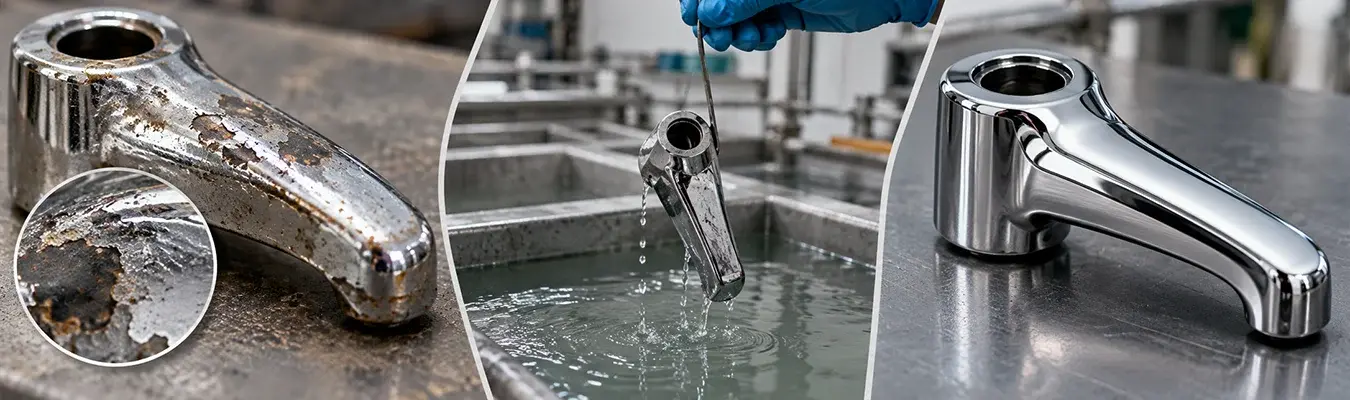
So, the question is what is the polishing process? Polishing is the controlled removal of surface imperfections from metal using abrasive materials. Scratches, weld marks, mill scale, oxidation, rough patches, and uneven surface textures are all things that the polishing process is specifically designed to address.
The polishing process steps follow a clear progression from coarse to fine. It starts with a rougher abrasive that removes the most visible surface flaws. Then a medium-grade abrasive is used to smooth out what the coarser stage left behind. Each stage removes the marks left by the previous one, gradually working toward a cleaner and more uniform surface.
The tools used during polishing are firmer and more aggressive than anything used in buffing. Abrasive belts, grinding wheels, and polishing discs made from harder materials do the bulk of the work here. The goal is to physically reshape and refine the metal surface at a microscopic level by removing imperfections that affect both appearance and performance.
How Buffing Works on Metal
While polishing removes material and corrects surface problems, buffing refines and improves what polishing has already created. During buffing, a much softer wheel is used. These wheels are made from cloth, sisal, or felt rather than the harder materials used in polishing. Along with the softer wheel, a buffing compound is applied to the surface. The action of buffing smooths out the microscopic scratches left behind by the polishing process and brings out the natural shine and clarity of the metal.
Buffing is also regularly used in maintenance situations. A buffing session with the right compound can restore the surface’s appearance without the time and cost of a complete rework. This makes buffing a practical and cost-effective maintenance option for facilities managing a large amount of metal equipment or fixtures.
Core Differences: Buffing vs Polishing
Polishing uses harder abrasive tools and removes surface material. It corrects visible and structural flaws in the metal. Buffing uses soft wheels and fine compounds, working to enhance surface appearance by removing the microscopic scratches that polishing leaves behind.
Attempting to buff a surface that has not been properly polished produces poor results because the scratches and imperfections underneath are still present. Buffing alone does not have the cutting power to fix them.
Polishing changes the texture and structure of the surface in a meaningful way. Buffing changes the appearance, the brightness, and the smoothness at the finest level. Both are essential to a complete metal finishing workflow, and both serve entirely different roles within it.
Why This Matters Across Real Industries
- Food and Manufacturing: In food processing and pharmaceutical manufacturing, metal surfaces that are not properly finished can harbour bacteria, be difficult to clean, and compromise hygiene standards. A surface that has been properly polished and then buffed is smoother at a microscopic level, meaning it is far easier to sanitise and maintain over time.
- Marine and Offshore: In marine and offshore environments, properly finished metal resists corrosion significantly better than rough or poorly finished surfaces. Salt air and moisture attack imperfections first. A surface that has gone through a complete polishing and buffing process holds up much longer under those conditions.
- Architecture and Interior Design:
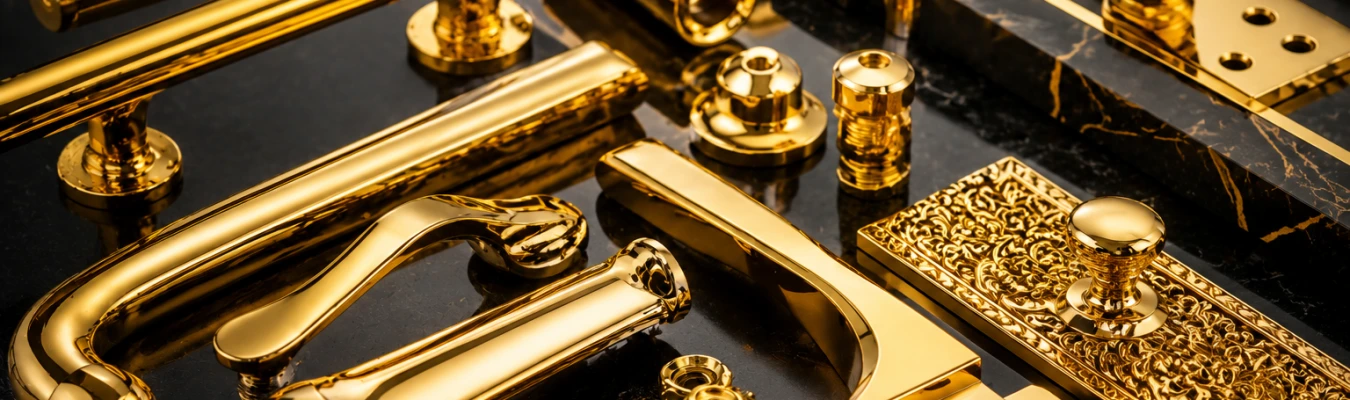
In architectural and interior design, stainless steel panels, handrails, fixtures, and cladding elements, including door ironmongery such as handles, hinges, and fittings, are evaluated on both appearance and longevity. A consistent, well-finished surface elevates the quality of the entire space. Uneven or patchy finishing immediately stands out and reduces perceived quality. - Automotive and Aerospace:
In the automotive and aerospace sectors, surface finishing directly affects aerodynamic performance, weld integrity, and component lifespan. The standards in those sectors are demanding for good reason.
This is exactly why professional metal polishing services in the UAE have grown into an important and respected part of the regional manufacturing and construction supply chain. Projects across the UAE, from landmark commercial towers to industrial plants to hospitality interiors, depend upon finishes that match the international quality benchmarks.
Choosing the Right Metal Finishing Partner
Among the top metal finishing companies in the UAE, who deliver quality by approaching each project manually. The right finishing approach depends on the metal type, environment, the required finish grade, and the scale of the work involved. Alasriah is a trusted name in this space. With experience across a wide range of metal types and finishing requirements, Alasriah delivers professional metal polishing services in the UAE that are tailored to the particular demands of each project.
Conclusion
Buffing and polishing may sound similar, but they serve different purposes in metal finishing. Polishing focuses on smoothing and preparing the surface, while buffing enhances shine and delivers the final look. For the best results, both processes should be used together. If you are looking for reliable metal polishing services in the UAE, choosing experienced professionals can make a difference in quality, durability, and overall appearance.
Contact Al Asriah Metal Coating today to get precise mechanical buffing & polishing solutions tailored to your requirements.
FAQs
Polishing removes surface imperfections using abrasive tools, while buffing smooths out fine scratches and enhances the final shine of the metal surface.
Polishing always comes first as it prepares the surface by removing defects. Buffing is the final step that adds shine and smoothness
No, buffing alone cannot remove deeper scratches or surface flaws. Without polishing, the final finish may appear uneven and less refined.
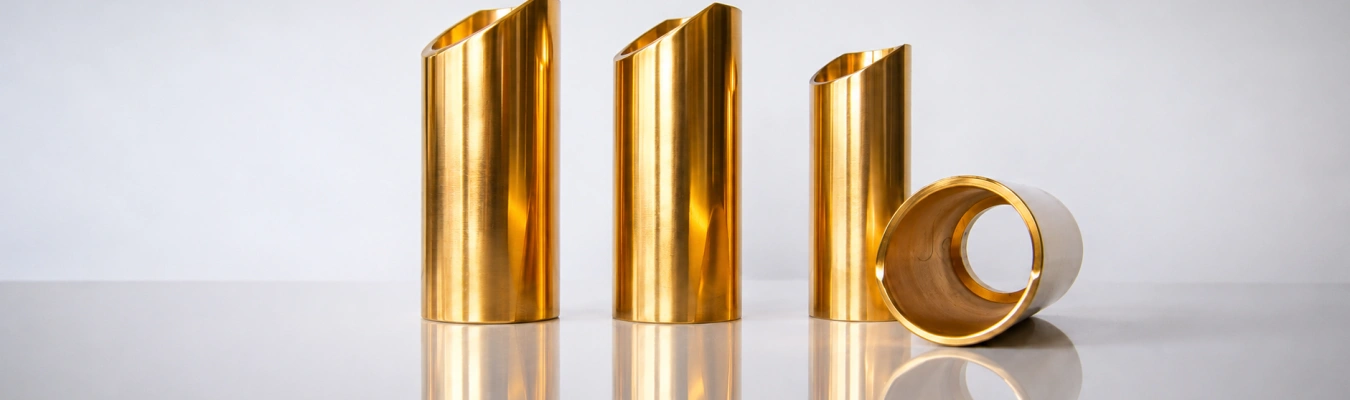
Common metals include stainless steel, aluminum, brass, copper, and iron. Each metal requires specific techniques and compounds for best results.
They are widely used in manufacturing, construction, automotive, marine, and interior design industries to improve durability and appearance.