Most people think gold plating is just about looks, but it does a lot more than make things shine.
Gold plating is a widely used finishing method that adds a premium look along with added surface protection to many products. It is usually used on bathroom fittings, door handles, switch plates, and lighting fixtures to improve both style and durability. If you are exploring gold plating services for home renovation, commercial interiors, or industrial needs, knowing the process helps you choose better options.
As a reliable gold electroplating company, Al Asriah Metal Coating provides advanced electronic gold plating services across Dubai and the UAE with consistent quality and precision.
In this blog, we will cover key features of custom gold plating solutions and their uses, and process.
What is Gold Plating and Why Does It Matter?
Gold plating means the process of applying a thin layer of gold onto the surface of a base metal. The gold layer is bonded to the surface through an electroplating process, which uses electrical current to deposit gold particles evenly across the object. The result is a surface that looks and feels like solid gold but is made from a different metal underneath.
Gold plating gives you the same rich, warm appearance at a much lower cost while also adding real functional benefits like corrosion resistance and durability. Items that go through a proper gold plating process last longer and resist wear better than uncoated metals.
At Al Asriah, the gold plating process involves applying a high-gloss, pure gold deposit with a nickel undercoat. This combination ensures the finish is both visually striking and built to hold up under daily use.
How Does the Gold Plating Process Work?
The gold plating process is more involved than just dipping something in gold. There are specific stages that must be followed correctly for the finish to come out properly.
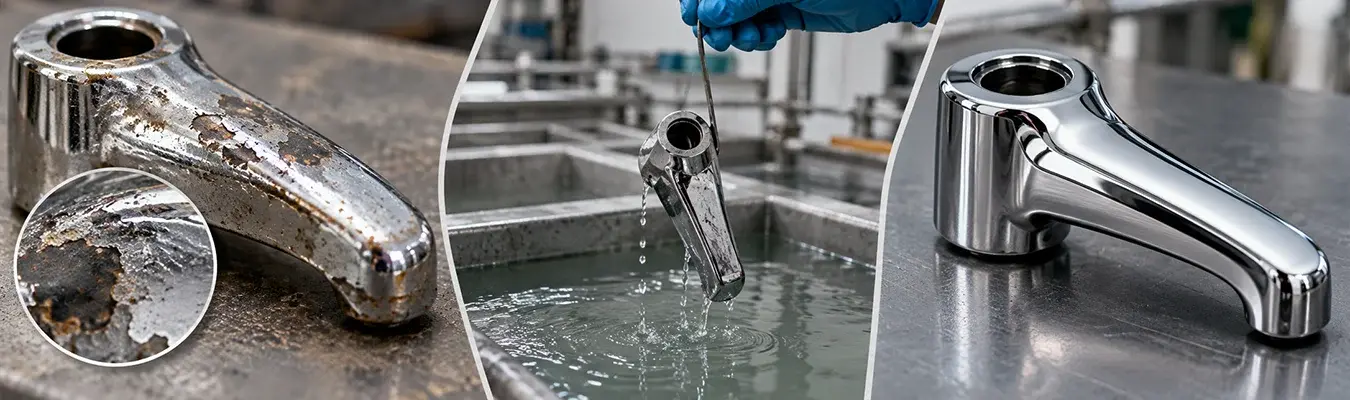
- The first stage is preparation and cleaning. Every item is carefully cleaned and polished before anything else happens. This is a critical step because any dirt, grease, or surface damage left on the piece will show through the gold layer or cause the plating to lift and peel. At Al Asriah, this step is taken seriously because the quality of the final finish depends entirely on how well the surface is prepared.
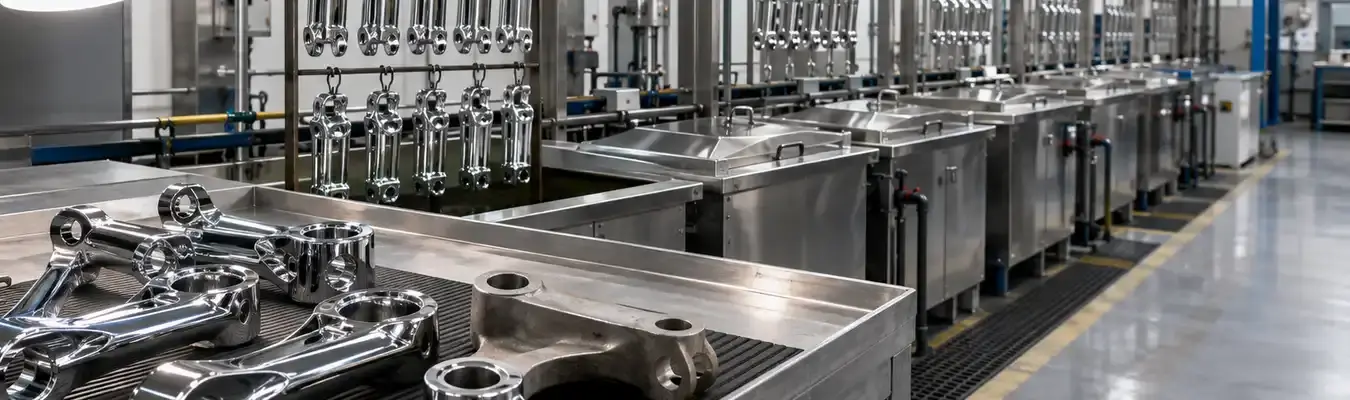
- The second stage is the actual electroplating. The cleaned item is placed into an electrolyte solution containing gold metal salts, which are converted into an acid form. An electrical current is passed through the solution, causing gold particles to bond to the surface of the item. This creates a smooth, even layer of gold across every corner and contour of the piece.
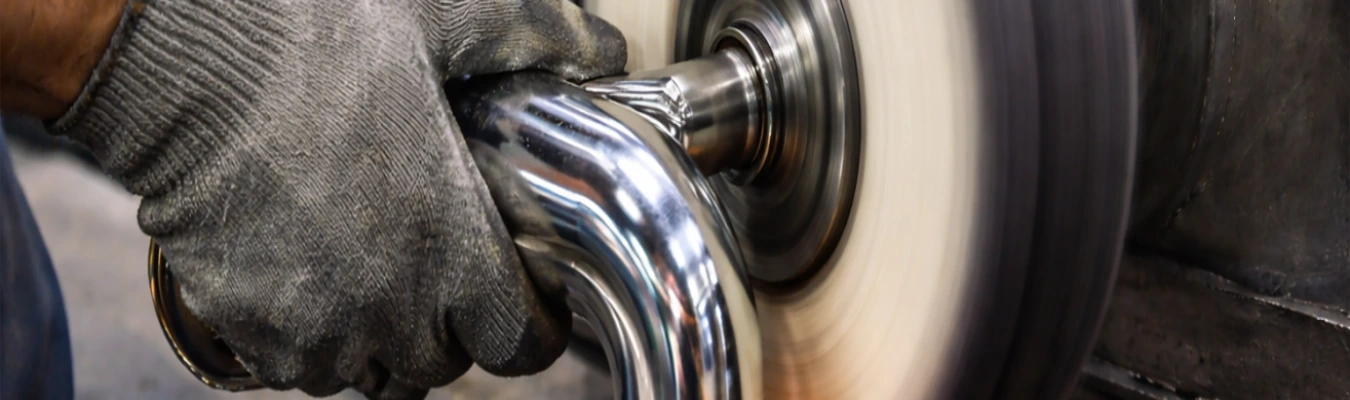
- The third stage is finishing. Once the electroplating is complete, each item is polished to achieve a glossy, durable surface. This final polish brings out the full shine of the gold layer and ensures the coating is uniform and resistant to wear.
The entire gold plating process can be carried out on almost any metal, including silver, brass, copper, and steel, making it an extremely versatile finishing solution.
What Are the Different Types of Gold Plating?
The type used depends on what the item is, what it will be used for, and how much wear it needs to withstand.
Decorative Gold Plating
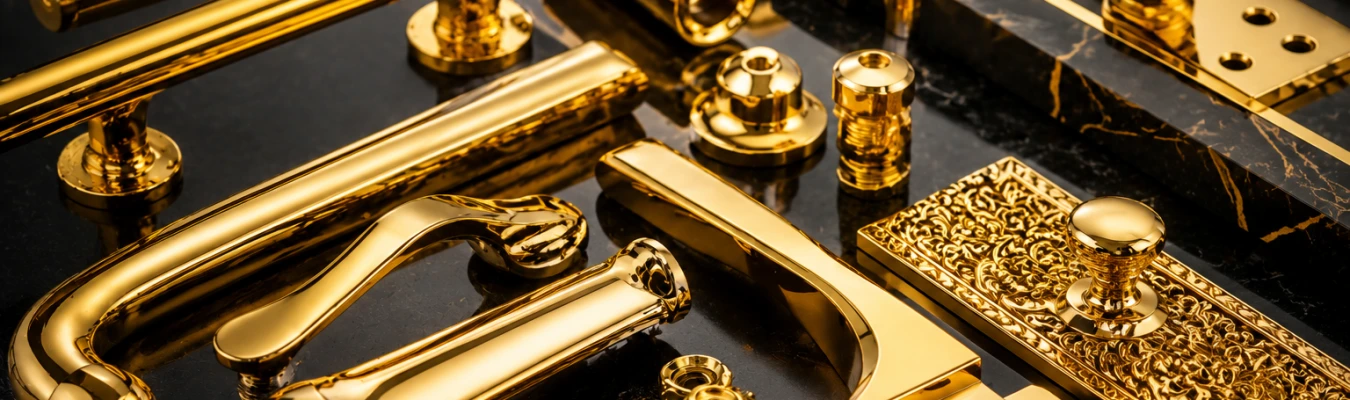
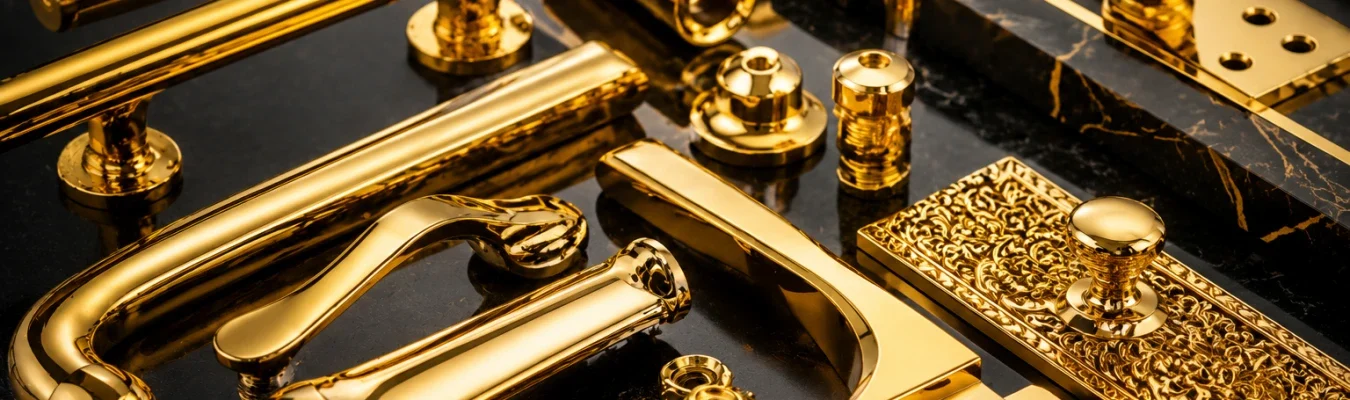
Decorative gold plating is the most common type and is used for items like door handles, chandeliers, sanitary fittings, home accessories, jewellery, and trophies. The focus here is on appearance. A smooth, high-gloss finish is the goal, and the gold layer is applied over a nickel undercoat for added depth and brightness.
Functional Gold Plating
Functional gold plating is used in applications where performance matters as much as appearance. These electrical elements, switch plates, and contact points are also gold plated because gold conducts electricity very well and does not oxidize or corrode over time easily. This keeps connections clean and reliable.
Heavy-build Gold Plating
Heavy-build gold plating involves applying a thicker layer of gold to items that will face more friction or wear. This is common in industrial and engineering settings where the plated surface needs to withstand regular contact without wearing through too quickly.
At Al Asriah, the thickness of the gold layer is customizable depending on the specific item and its intended use, ensuring the right type of plating is applied every time.
Why Are the Benefits of Gold Plating Worth Knowing About?
There are several genuine benefits that make it the right choice for both decorative and functional items.
- Aesthetic value: Gold has a natural warmth and richness that no other finish can replicate. Whether it is applied to a chandelier, a set of bathroom taps, or a decorative trophy, the gold finish adds a level of elegance that elevates the entire item.
- Enhanced durability: The gold coating acts as a protective layer over the base metal, shielding it from physical damage, scratches, and everyday wear. Items that go through Al Asriah’s gold plating services come out stronger and more resistant to damage than they were before.
- Corrosion resistance: Gold does not rust or oxidize, so the plated surface stays looking new for much longer. This is especially valuable in environments where items are exposed to moisture, like bathrooms and kitchens. Sanitary fittings, shower accessories, mixers, and basin hardware all benefit significantly from this property.
- Affordable alternative to solid gold: You get the same luxurious look and feel without the cost of solid gold. For large projects like hotel fit-outs or retail interiors, this makes gold plating a smart financial decision without any compromise on appearance.
What Are the Key Features That Make Gold Electroplating Stand Out?
Gold electroplating has specific features that set it apart from other finishing options, and they are worth understanding if you are comparing methods.
- A precise process: Because gold is deposited through an electrical current, it applies evenly across the entire surface of an item, including curved sections, edges, and detailed engravings. This level of precision is difficult to achieve with other coating methods.
- High-gloss finish: The combination of the nickel undercoat and the gold layer produces a bright, mirror-like shine that is hard to match with any other technique.
- Adjustable thickness: One of the most useful features of gold electroplating is that the thickness of the gold layer can be controlled. Thicker coatings are used for high-wear items, while thinner coatings are used for purely decorative pieces.
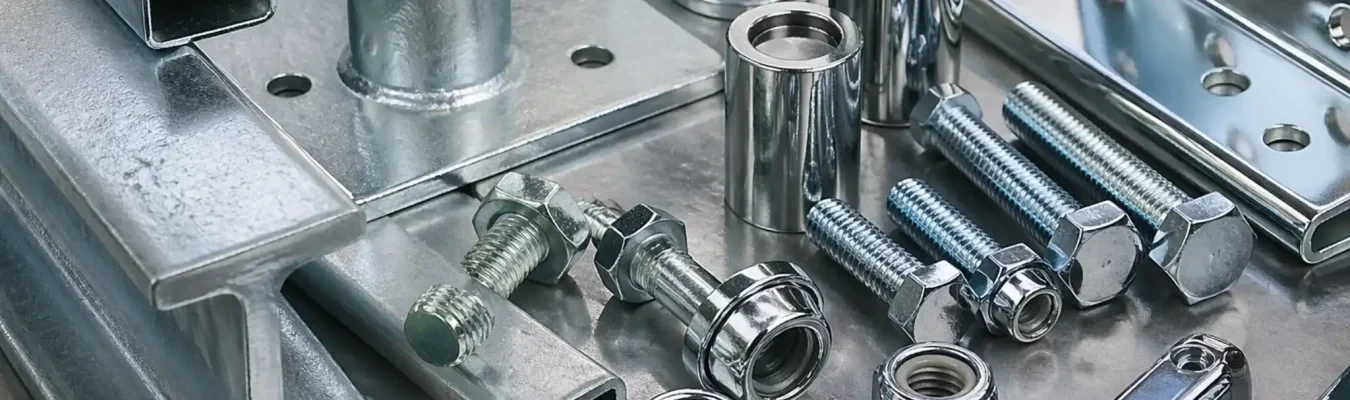
- Wide range of metals: Almost any metal can be gold plated, including silver, copper, brass, stainless steel, and more. This flexibility means the service can be applied across a huge variety of products and industries.
- Nickel undercoat: Al Asriah applies a nickel undercoat before the gold layer. This improves adhesion, adds a solid base for the gold to bond to, and makes the overall finish more durable.
Where Is Gold Plating Used Across Different Industries?
Gold plating applications cover a wide range of industries and product types. It is useful wherever appearance, protection, or conductivity needs to be improved.
- In the electrical sector, gold-plated components like switch plates, chandeliers, electrical contacts, and lighting fixtures are valued for their premium look and long-term performance. Gold does not corrode at electrical connection points, keeping circuits clean and functional.
- In the hardware and interiors industry, decorative door handles, locks, hinges, and other accessories are gold plated to add an elegant finish while ensuring they stay protected from wear over time. These items are found in luxury homes, hotels, and commercial spaces across Dubai and the UAE.
- In sanitary fittings, items like showers, mixers, washbasins, and tap sets take on a much more luxurious look with a gold-plated finish. Many high-end bathroom designs in the UAE incorporate gold plating to achieve that distinctive premium feel.
- In the automotive sector, gold plating is used to enhance the appearance of selected car parts with a refined, sleek gold finish.
- In home decor, gold-plated accessories, furniture details, and decorative pieces are used to elevate interiors. This is particularly popular in luxury residential projects, hotels, and commercial fit-outs across Sharjah and Dubai.
- In awards and recognition, coins, medals, and trophies are gold plated to give them a premium appearance that reflects the prestige they represent.
How Is Gold Plating Used in Electronics and Electrical Components?
Gold plating plays a clear and important role in the electronics and electrical industries. This is one of the most functional gold plating applications rather than a purely decorative one.
Gold is an excellent conductor of electricity and, unlike copper or silver, it does not oxidize over time. This makes it ideal for use on electrical contact points, connector surfaces, and switch plates where a clean, reliable connection needs to be maintained over a long period.
Al Asriah provides electronic gold plating services for electrical components, including switch plates, lighting fixtures, and chandeliers. The gold plating here serves two purposes. It improves conductivity and keeps connection points clean, and it also gives the finished product a high-quality, premium appearance that is expected in luxury electrical fittings.
Gold-plated electrical items found in high-end hotels, luxury apartments, and commercial spaces in Dubai and the UAE are a good example of how functional performance and visual appeal come together in a single gold plating application.
What Is the Difference Between Hard Gold and Soft Gold Plating?
This is something that comes up fairly often when people are trying to decide what type of gold plating is right for their item.
Feature | Hard Gold Plating | Soft Gold Plating |
What is gold plating approach | Uses a nickel undercoat before the gold layer is applied, forming a strong base in the gold plating process | Gold is applied in a purer form without a hard undercoat, focusing more on softness and purity |
Strength and durability | Offers higher durability and resistance to wear, making it suitable for long term use in industrial gold plating services | Less durable compared to hard gold, mainly used where heavy wear is not expected |
Gold plating applications | Common in gold plating applications like door handles, locks, hinges, sanitary fittings, and electrical components | Used for delicate jewellery and decorative items where appearance and purity are more important than strength |
Gold plating benefits | Provides a premium finish with strong resistance to daily handling, improving lifespan of coated items | Gives a high purity gold finish with a smooth appearance for lightweight or decorative use |
Best suited for | Ideal for industrial gold plating services and electronic gold plating services where durability matters | Suitable for jewellery and light decorative items |
Overall usage in industry | Widely used by a gold electroplating company for hardware, fittings, and functional components | Used in niche or delicate applications where minimal stress is involved |
Recommended choice | Preferred in custom gold plating solutions for real world and heavy duty usage | Preferred when visual purity is more important than mechanical strength |
What Are the Common Challenges in the Gold Plating Process and How Are They Handled?
There are real challenges that come up, and knowing how they are handled is a good way to understand why professional gold plating services matter.
- Surface contamination is the most common challenge. If an item has any grease, oil, dirt, or chemical residue on it before plating begins, the gold layer will not bond properly. It can appear patchy, lift at the edges, or simply look dirty underneath the gold. This is why the preparation and cleaning stage at Al Asriah is carried out with great care before any plating takes place.
- Uneven application is another challenge, particularly on items with complex shapes, deep engravings, or very small details. The electroplating process used by Al Asriah distributes the gold evenly through the electrical current, which helps avoid this issue and ensures every surface is coated consistently.
- Thickness control requires attention. Too thin a gold layer wears through quickly. Too thick a layer in the wrong application can add unnecessary cost. Al Asriah offers customizable gold layer thickness to match the exact needs of each item and its intended use.
- Adhesion problems can occur if the base metal is not properly prepared or if the wrong type of undercoat is used. The nickel undercoat applied by Al Asriah acts as a bonding layer that helps the gold adhere properly to the base metal and prevents peeling or flaking over time.
Are You Ready to Give Your Items the Gold Finish They Deserve?
If you are looking for reliable, high-quality gold plating services in Dubai, Sharjah, or anywhere across the UAE, Al Asriah Metal Coating is ready to help. Whether you need custom gold plating solutions for a single decorative piece or industrial gold plating services for a large commercial project, our team handles every job with the same level of care and precision. We work with homes, hotels, retail spaces, and businesses across the UAE, delivering a premium gold finish that lasts. Call us now, send an email, or visit our facility in Sharjah to discuss your project and get a free, no-obligation quote today.
Conclusion
Gold plating is an important solution that improves durability, appearance, and performance across a wide range of applications. From everyday hardware and sanitary fittings to electrical components and industrial parts, the process delivers both style and strength when done correctly. With advanced techniques like electroplating and options for custom thickness, gold plating offers flexibility for different needs while maintaining a premium finish.
Choosing professional gold plating services ensures better adhesion, longer life, and consistent quality, making it a reliable option for both functional and decorative use in homes, commercial spaces, and industries.
FAQs
Gold plating is the process of applying a thin layer of gold to a base metal through electroplating. It is used because it improves the appearance of items, adds corrosion resistance, and provides a durable, rust-free finish at a much lower cost than solid gold.
The gold plating lasts with proper care, gold plating can last for several years.
Yes, the gold layer in gold plating is real gold. The gold plating process deposits actual gold particles onto the surface of the base metal.
Almost any metal can go through the gold plating process, including silver, copper, brass, stainless steel, and more.
Gold plating thickness is customizable depending on the application. Thicker deposits are used for high-wear items like door handles and sanitary fittings.
Gold electroplating is a specific type of electroplating where gold is the metal being deposited onto the surface. Electroplating is the broader process and can use various metals.