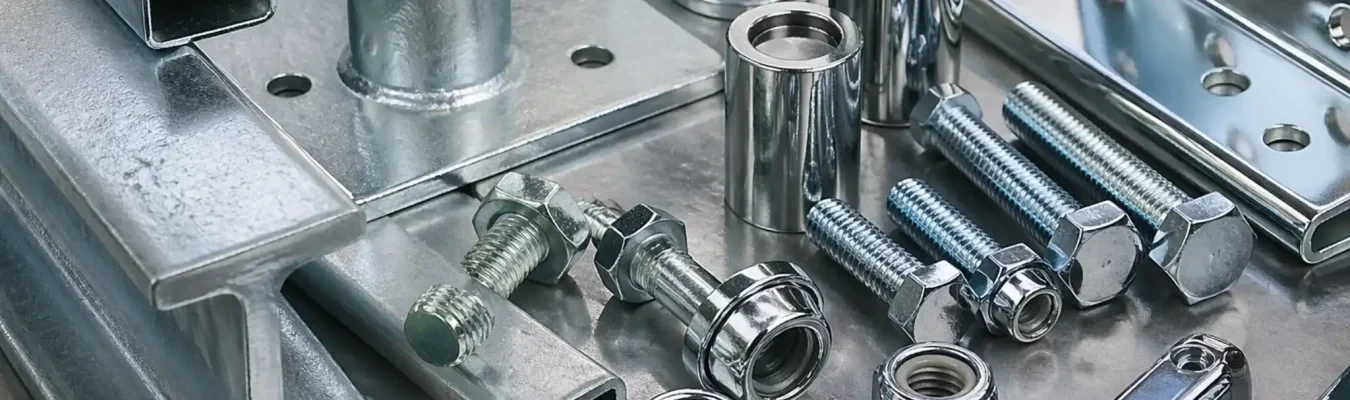
Nickel chrome plating is widely used when metal components need a combination of an attractive finish, corrosion resistance, durability, and surface protection. It is commonly found on automotive components, bathroom fittings, hardware, fixtures, decorative parts, and various industrial applications.
But even a well-finished plated surface can develop problems over time.
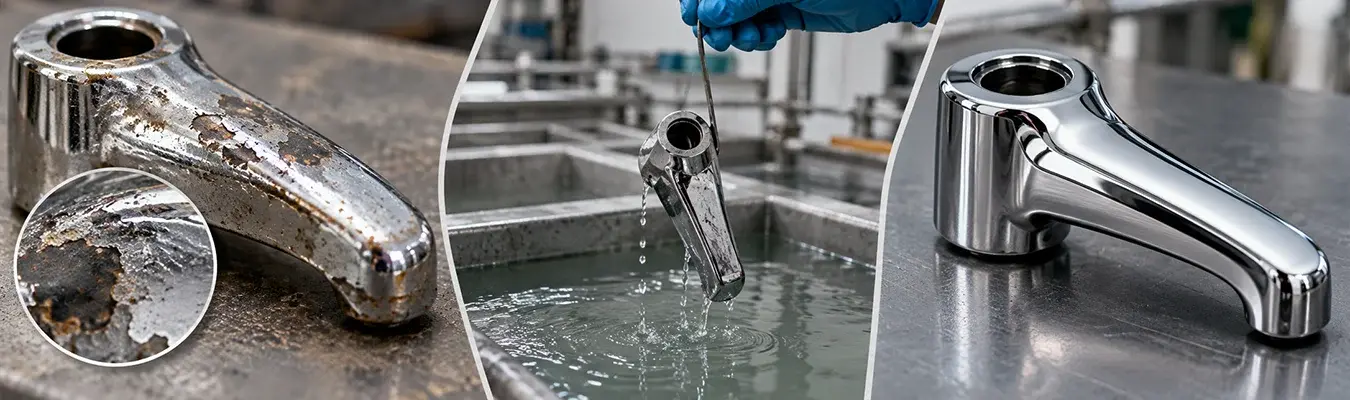
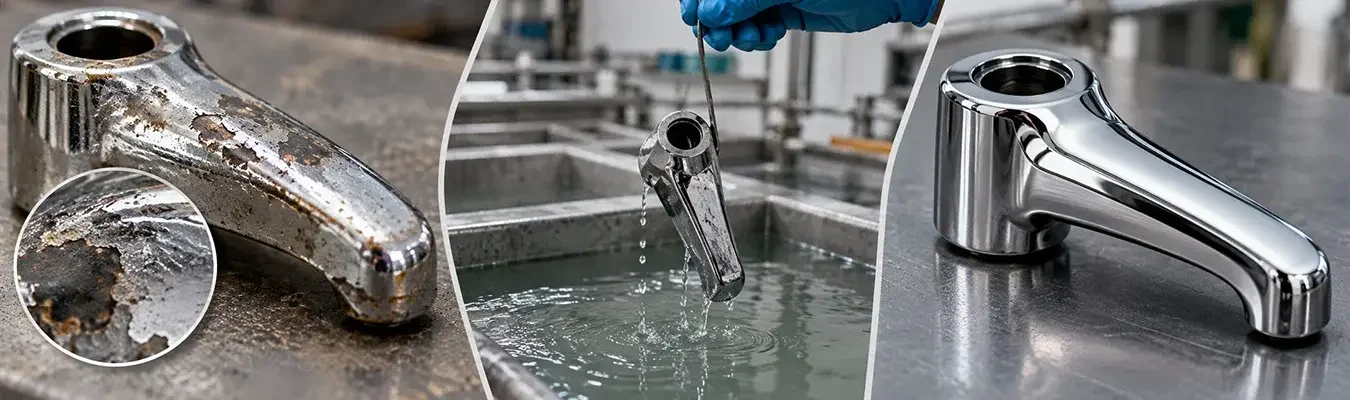
Scratches, dullness, pitting, peeling, stains, corrosion, and uneven appearance are some of the issues that can affect nickel chrome plated components. Sometimes the problem is only cosmetic. In other cases, it can indicate that the coating has deteriorated and the component needs professional attention.
Understanding the problem early can help you decide whether the surface needs cleaning, polishing, repair, or complete replating.
What Is Nickel Chrome Plating?
Nickel chrome plating is a coating system in which a layer of nickel is deposited onto a prepared metal surface, followed by a chromium layer.
Nickel provides important properties such as corrosion resistance, wear resistance, brightness, and a suitable foundation for subsequent coating layers. Chromium forms the outer surface and contributes to the familiar chrome appearance along with additional surface hardness and resistance to tarnishing and wear.
A typical decorative system can therefore be understood as:
Base metal → surface preparation → nickel layer → chromium layer
The exact coating system depends on the component, substrate, required appearance, service conditions, and performance requirements.
This is also why nickel plating and nickel chrome plating should not be treated as exactly the same thing. Nickel plating may be the final coating, while nickel chrome plating normally involves a chromium layer over the nickel coating.
Why Do Nickel Chrome Plated Surfaces Develop Problems?
Plating problems can happen for different reasons, and the visible defect does not always tell you exactly what caused it.
Problems may be related to:
- Inadequate surface preparation
- Contamination
- Base-metal imperfections
- Poor adhesion between layers
- Incorrect plating conditions
- Uneven coating
- Mechanical damage
- Chemical exposure
- Moisture and environmental conditions
- Normal wear over time
10 Common Nickel Chrome Plating Problems
1. Peeling or Flaking
Peeling is one of the clearest signs that a plated surface has developed an adhesion problem.
The nickel or chrome coating may begin separating from the surface, particularly around edges, damaged areas, or places exposed to mechanical stress.
Poor cleaning, contamination, inadequate surface preparation, or problems between coating layers can affect adhesion.
Once plating has started to peel, polishing the surface will not restore the bond.
What to do: Have the component inspected to identify where the coating has failed. If the damage is extensive, the old finish may need to be removed and the surface properly prepared before replating.
2. Blistering
Blistering appears as raised areas beneath the plated surface. These areas may become more noticeable after impact, bending, heating, or continued use.
Blisters can be associated with poor surface preparation, contamination, adhesion problems, or issues between different coating layers.
The visible blister is often only a symptom. The underlying cause needs to be identified before the component is replated.
What to do: Have the affected area examined to determine whether the problem is within the coating, between coating layers, or at the coating and substrate interface.
3. Pitting and Pinholes
Pitting appears as small depressions or holes in the plated surface.
These defects can affect the appearance of decorative components, but they can also create weak points where the underlying material becomes more exposed.
Possible causes include gas bubbles during plating, contamination, particles, or imperfections in the substrate or underlying coating.
What to do: Do not simply apply another coating over a badly pitted surface. The existing finish and underlying material should be assessed first.
4. Dull or Cloudy Finish
A nickel chrome finish is often selected for its bright and consistent appearance. When the surface becomes dull, cloudy, hazy, or uneven, the cause needs to be identified.
Appearance problems can be associated with surface preparation, contamination, plating conditions, or changes in the plating solution. Industry troubleshooting guidance notes that changes in brightness and appearance can sometimes indicate issues with operating parameters or solution condition.
What to do: First, determine whether the surface only needs appropriate cleaning or finishing. If the coating itself has deteriorated, professional restoration or replating may be required.
5. Staining and Discoloration
Water marks, fingerprints, chemicals, cleaning products, and environmental exposure can affect the appearance of a plated surface.
Not every stain means that the plating has failed. Some surface deposits can be removed through suitable cleaning.
However, persistent Discoloration combined with pitting, corrosion, or surface deterioration should not be ignored.
What to do: Use a cleaning method suitable for the plated finish. Avoid harsh chemicals and abrasive materials that may create additional damage.
6. Rough or Uneven Surface
A properly finished surface should have the texture and appearance required for its intended application.
If the plated surface feels rough or gritty, particles or contamination may have become incorporated into the deposit. Nickel plating troubleshooting guidance identifies suspended particles, contamination, undissolved material, and other process-related factors as possible causes of roughness.
What to do: If roughness is widespread, professional assessment is preferable to simply polishing the surface. The component may require stripping, surface preparation, and replating.
7. Uneven Coating or Appearance
Some components may show differences in brightness, colour, texture, or coating coverage from one area to another.
Part geometry, electrical contact, positioning, current distribution, and process conditions can influence the final deposit.
Complex shapes can therefore require careful control during the plating process.
What to do: If the component requires a consistent decorative or functional finish, inspect it against the required specification rather than relying only on visual appearance.
8. Dark or Burned Areas
Dark, rough, or abnormal deposits can sometimes develop in areas exposed to higher current density, such as edges and corners.
Process conditions, current density, bath condition, agitation, temperature, and component positioning can all influence the result.
What to do: The cause should be investigated at the process level. Simply polishing the affected area may not solve the underlying issue.
9. Scratches and Mechanical Damage
Not every plating problem originates during the plating process.
A finished nickel chrome surface can be scratched through impact, rough handling, abrasive cleaning, or contact with other hard materials.
Light surface marks may sometimes be treated through suitable finishing. Deep scratches are different because they can damage the coating layers and potentially expose the underlying material.
What to do: Assess the depth of the scratch before deciding whether polishing is enough or whether replating is required.
10. Corrosion and Surface Deterioration
Nickel chrome plating provides corrosion protection, but a plated component can still deteriorate when the coating is damaged or exposed to unsuitable conditions.
Deep scratches, pits, pores, coating defects, or damaged areas can create opportunities for moisture and environmental exposure to affect the underlying material.
What to do: If corrosion has developed beneath or around damaged plating, surface cleaning alone may not be enough. The component may need professional inspection and restoration.
How to Maintain Nickel Chrome Plating
Good maintenance can help preserve the appearance and performance of plated surfaces.
Clean Regularly
Dust, dirt, fingerprints, water deposits, and other contaminants should not be allowed to build up. Use a soft cloth and a cleaning method appropriate for the plated surface.
Avoid Abrasive Cleaning
Steel wool, rough scouring pads, aggressive polishing compounds, and abrasive cleaners can scratch or dull the finish.
Be Careful With Chemicals
Strong chemicals and unsuitable cleaning products can affect decorative plated surfaces. If the component is regularly exposed to industrial chemicals, cleaning agents, moisture, or other aggressive environments, the coating should be suitable for those service conditions.
Keep the Surface Dry
Where practical, avoid allowing water or moisture to remain on the plated surface for extended periods. Drying the surface after cleaning can help reduce water marks and prolonged moisture exposure.
Check High-Wear Areas
Handles, fittings, automotive parts, moving components, and frequently touched surfaces may experience more wear than other areas. Regular inspection can help identify scratches, dullness, pitting, or coating separation before the problem becomes more extensive.
Address Damage Early
A small scratch may appear to be a cosmetic issue, but deeper damage can expose lower coating layers or the base material. Early assessment can help determine whether a simple finishing treatment is enough or whether replating is needed.
When Does Nickel Chrome Plating Need Replating?
Replating may be considered when the existing coating can no longer provide the required appearance or surface performance.
Some common signs include:
- Extensive peeling or flaking
- Deep scratches
- Persistent pitting
- Severe corrosion
- Widespread dullness
- Significant Discoloration
- Worn or damaged coating
- Repeated deterioration after cleaning
- A component that needs restoration rather than replacement
The decision should not be based only on appearance.
The condition of the base material, existing coating, component design, intended application, and required finish all need to be considered.
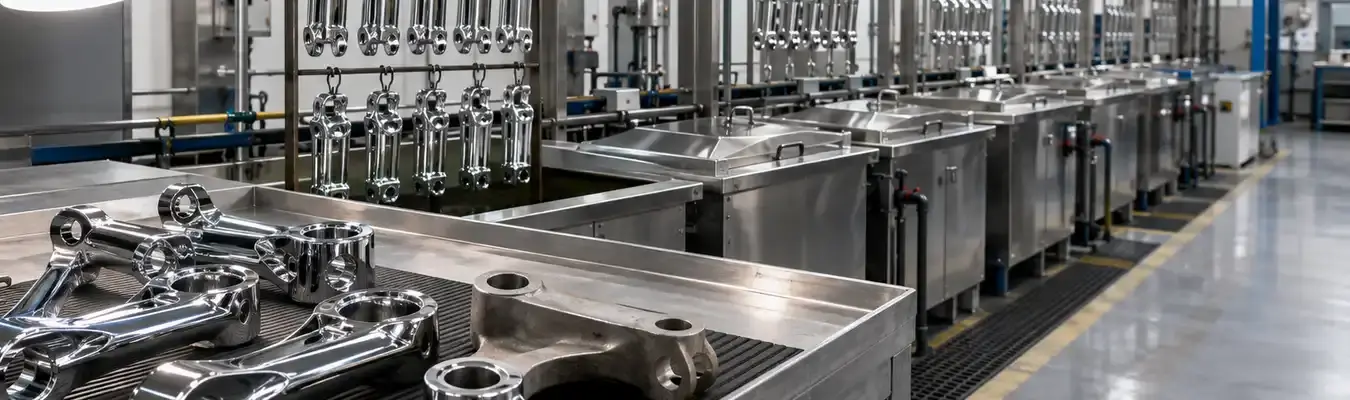
What Does the Nickel Chrome Replating Process Involve?
Replating is not simply a matter of adding a fresh chrome layer over an old finish.
The existing component usually needs to be assessed and properly prepared first.
1. Inspection
The component is checked for scratches, corrosion, dents, wear, peeling, pitting, and other surface problems.
2. Removal of Existing Coating
Where necessary, the old coating is removed so that the underlying surface can be properly assessed.
3. Surface Preparation
The surface may require cleaning, polishing, grinding, activation, or other preparation depending on the condition of the component.
This step is particularly important because plating does not automatically hide deep scratches, dents, pits, or other defects in the substrate.
4. Nickel and Chrome Plating
The required coating system is applied according to the component’s specifications and intended use.
The nickel layer provides the foundation for the chromium layer, while the outer chrome layer provides the final surface characteristics and appearance.
5. Finishing and Inspection
After plating, the component may require polishing or other finishing work.
The finished part can then be inspected for appearance, coating quality, dimensions, and other application-specific requirements.
The exact process depends on the substrate, component condition, coating requirements, and intended use. Nickel plating guidance also emphasizes systematic troubleshooting and process control when investigating plating defects.
Replating or Replacing the Component?
When a plated component is badly damaged, replacement may seem like the simplest option. But it is not always necessary.
If the underlying component is still structurally suitable, replating can restore the surface without replacing the entire part.
This can be particularly useful for older fittings, hardware, automotive components, decorative parts, and other items where the original component has value or is difficult to replace.
The right option depends on:
- Condition of the base material
- Extent of coating damage
- Required appearance
- Intended use
- Component dimensions
- Required coating specification
- Availability of replacement parts
- Cost of replacement
A professional assessment can help determine whether cleaning, polishing, repair, replating, or replacement is appropriate.
How to Prevent Nickel Chrome Plating Problems
The best way to reduce plating problems is to control the process from the beginning.
- Proper surface preparation: Oil, grease, rust, oxides, dirt, and other contaminants need to be removed before plating.
- Process control: Factors such as current density, temperature, bath chemistry, filtration, agitation, and plating time need to be controlled according to the specific process.
- Proper rinsing: Adequate rinsing between process stages helps reduce contamination and chemical carryover.
- Correct racking and electrical contact: Proper component positioning and reliable electrical contact are important for consistent deposition.
- Substrate inspection: The base material should be inspected before plating because deep surface defects can remain visible after coating.
- Final inspection: The completed component should be checked against the required appearance and technical requirements.
Nickel plating troubleshooting guidance recommends a systematic approach to defects rather than assuming every visible problem has the same cause.
When Should You Contact a Nickel Chrome Plating Professional?
Professional assessment is recommended when a component has extensive peeling, blistering, pitting, corrosion, deep scratches, or significant surface deterioration.
It is also worth getting professional advice when the component needs to be restored to a specific finish, appearance, or technical specification.
A plating specialist can assess the existing coating, substrate, surface condition, and intended application before recommending the appropriate treatment.
This is especially important for components where appearance and surface performance both matter.
Restore the Finish Instead of Replacing the Part
A damaged plated surface does not automatically mean that the entire component needs to be replaced.
The first step is to understand what has happened to the coating and whether the underlying component is still suitable for use. Depending on the condition, professional cleaning, polishing, surface restoration, or nickel chrome replating may be possible.
For businesses and industries that depend on durable and attractive metal components, choosing the right surface treatment can help extend the useful life of existing parts while maintaining the required finish.
Frequently Asked Questions
Nickel chrome plating is a coating system where a nickel layer is applied to a prepared metal surface and followed by a chromium layer. Nickel contributes corrosion and wear resistance and provides a suitable foundation for the chrome layer, while chromium forms the outer surface.
Peeling can be associated with poor surface preparation, contamination, inadequate adhesion, or problems between coating layers. The exact cause should be identified before attempting to replate the component.
It depends on the extent of the damage. Minor surface issues may be addressed through suitable cleaning or finishing, while severe peeling, corrosion, pitting, or deep scratches may require stripping and replating.
Clean the surface regularly with suitable materials, avoid abrasive cleaners, limit exposure to aggressive chemicals, and inspect the surface for scratches, pitting, corrosion, or coating separation.
There is no single service life for every plated component. Durability depends on the coating system, substrate, environment, handling, maintenance, and intended application.
The existing finish may need to be removed or properly prepared before a new coating system is applied. Applying new plating over a failing or contaminated coating may not address the original problem.
If the underlying component is still structurally sound, replating can be a practical restoration option. The decision depends on the condition of the part, required finish, application, and replacement options.
Look for experience with the relevant substrate and component type, proper surface preparation, controlled plating processes, quality inspection, and the ability to meet the required finish and application specifications.